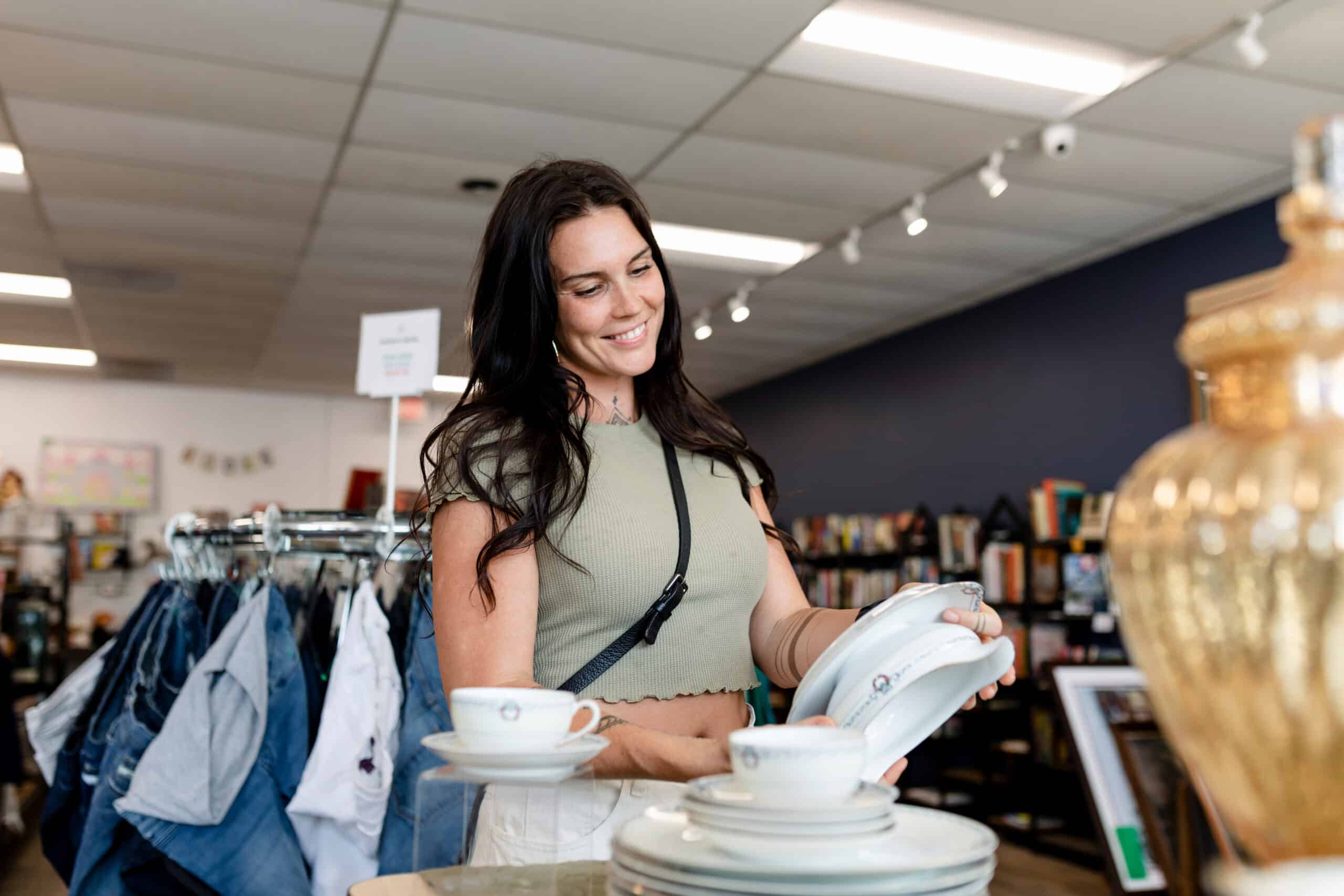

Second-hand shopping has become a familiar part of how many people manage everyday spending. Clothes, books, furniture and household items are being weighed up differently as consumers look for value, stretch their budgets further and think more carefully about what they buy.
The Motor Ombudsman’s latest survey looks at this shift in buying behaviour, while also showing why some second-hand choices carry more risk than others.
How the cost of living is changing consumer buying habits
The cost-of-living crisis appears to have made many consumers more deliberate about spending. The Motor Ombudsman’s survey of 2,007 UK adults carried out in May 2026 found that more than 1 in 5 respondents described themselves as careful with money and that they are now more likely to look for bargains.
Among those who said their relationship with their finances had changed, 52% reported being more conscious of their spending. Almost half said they actively looked for discounts and deals (49%) or compared prices more when shopping (49%).
Consumers are also checking value more closely and cutting back on eating out, takeaways, leisure, and non-essential spending.
Summary:
- 4 in 5 respondents describe themselves as being careful with money;
- 52% reported being more conscious of their spending since the cost-of-living crisis; and
- 49% actively look for discounts and compare prices when shopping.
Second-hand shopping in 2026
That careful approach to spending is reflected in second-hand shopping habits. Nearly 9 in 10 respondents said they had bought something pre-owned, while 86% said yes or maybe when asked whether it is important to shop second-hand as much as possible in the current climate.
Saving money was the leading motivation, cited by 61% of respondents. However, the appeal is also linked to giving items a new lease of life, finding bargains, reducing waste and shopping more consciously.
Physical stores still play an important role. From the respondents who had bought second-hand goods, 71% said they tended to shop on the high street or in showrooms, compared with 53% who used online platforms.
Summary:
- Nearly 9 in 10 respondents had bought something pre-loved;
- 86% said shopping second-hand is important, or maybe important in the current climate.
- 61% cited saving money as a reason for buying pre-loved items; and
- 71% shopped in physical stores or showrooms, compared with 53% online.
The hidden risks of buying second-hand
Price is only part of the decision. Second-hand buyers reported an average of just over 5 “fails”, such as an item not fitting, arriving damaged or being of sub-standard quality.
These findings help explain why returns, refunds and product conditions are major fears for shoppers.
Those concerns matter more where the product has a safety role, a technical function or a higher replacement cost. A used electrical item, vehicle part or tyre with an unknown history can create a different level of risk.
Summary:
- Second-hand buyers reported an average of just over 5 purchase “fails”;
- The most common issues were wrong sizes, poor quality and damaged items;
- Around 2 in 5 were concerned about returns, refunds or items not working when purchasing pre-loved goods; and
- Hygiene concerns were also a key worry for second-hand shoppers.
How much are people spending on second-hand items?
Survey respondents estimated that they are spending about £313 on second-hand items bought in store over the past year, and around £308 online.
At the same time, 69% agreed that charity shops are not necessarily the place for a bargain because prices have gone up. This suggests consumers may need to consider condition, quality, return options, and likely lifespan before deciding whether the savings are worthwhile.
Summary:
- Respondents spent around £313 in store and £308 online on second-hand items over the past year; and
- 69% agreed that charity shops are no longer necessarily the place for a bargain.
Part-worn tyres and the pressure to cut motoring costs
The cost of running and maintaining a car can influence buying decisions. The Motor Ombudsman’s research found that 31% of respondents would consider buying part-worn tyres instead of new ones if their vehicle’s tyres needed replacing.
For those who would consider part-worn tyres, saving money was the main reason, cited by 67% of these consumers. Others saw part-worn tyres as a temporary solution until they could afford brand-new tyres, or valued their immediate availability from a seller.
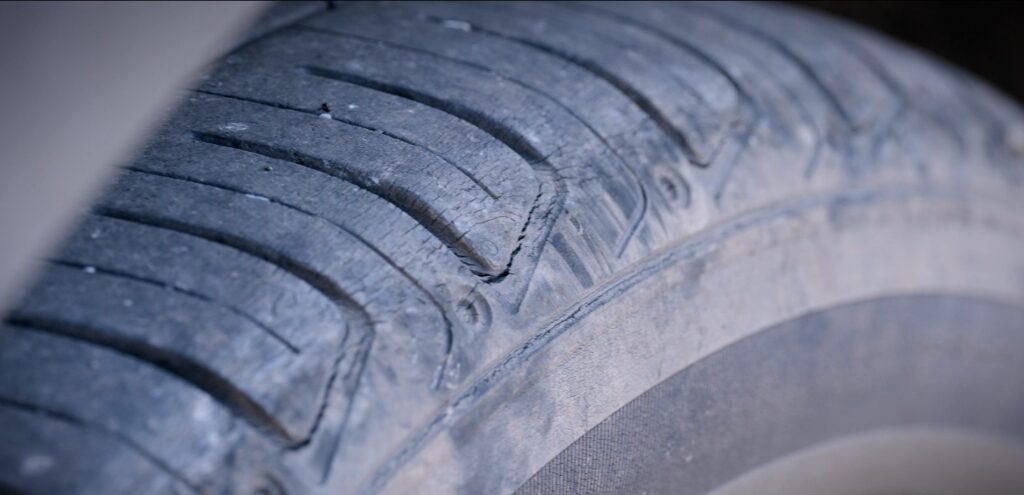
Part-worn tyres require closer scrutiny because they have already been fitted to another vehicle, so their history may be unclear. They may also have hidden structural damage that is difficult for a motorist to identify.
Summary:
- 31% would consider buying part-worn tyres instead of new ones;
- 67% cited saving money as the main reason for considering part-worn tyres;
- 37% saw part-worn tyres as a temporary solution until they could afford new tyres; and
- 36% valued their immediate availability.
Tyre markings and DOT codes
The survey also found gaps in awareness around tyre information. Sellers of part-worn tyres must mark them with the words “PART-WORN” on the sidewall, but 43% of respondents were unaware of this requirement.
Sidewall markings provide important details about a tyre, including size and specification. The DOT code can help identify a tyre’s age, which matters because a tyre may appear usable even if it is beyond its intended lifespan. The survey found that 69% of respondents did not know what the DOT code was.
For motorists, this makes tyre information especially important. Part-worn tyres can appear to offer a saving, but they may have an unknown history or hidden damage, so drivers should understand the risks before choosing a second-hand replacement.

Summary:
- 43% were unaware that part-worn tyres must be marked “PART-WORN”;
- 51% did not know what the letters and numbers on a tyre sidewall mean; and
- 69% did not know what the DOT code was.
The Motor Ombudsman provides further information on tyre safety, maintenance and buying considerations through its tyres resource.
The research was conducted by Clariti among a sample of 2,007 UK adults, which was nationally representative based on age, gender and region. The data was collected between 24/04/26 – 28/04/26. Clariti is a member of the British Polling Council and abides by the MRS code of conduct and ESOMAR principles.