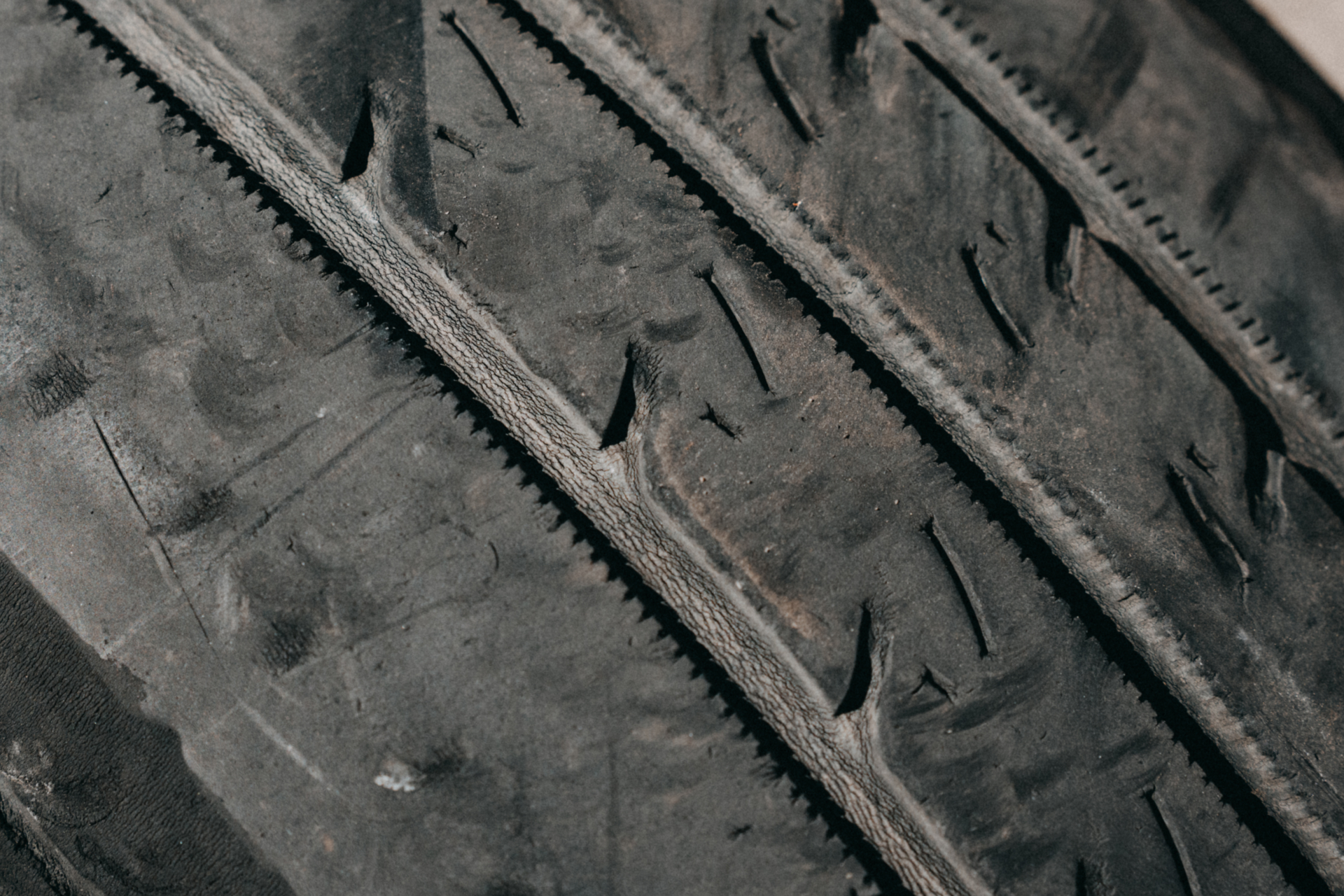

The Motor Ombudsman rolls out new awareness drive to highlight the risks of motorists buying part-worn tyres
- The Motor Ombudsman has launched its ‘WORN-WARN’ tyre safety campaign at the UK Garage & Bodyshop Event at the NEC, Birmingham
- Backed by TyreSafe, the online and social media awareness drive is designed to showcase some of the main risks of motorists buying and fitting part-worn tyres to their vehicle
- The new initiative comes in response to the latest study by The Motor Ombudsman, which found that nearly a third of UK adults would consider going second-hand if tyres needed replacing

The Motor Ombudsman has unveiled its ‘WORN‑WARN’ tyre safety campaign at the UK Garage & Bodyshop Event at Birmingham’s National Exhibition Centre (NEC). The online and social media awareness drive is designed to shine the spotlight on the risks of motorists buying and fitting part‑worn tyres – used tyres from another vehicle which carry an unknown history and potentially hidden structural damage.
The launch of the latest initiative, backed by charity TyreSafe, comes in response to a survey of 2,000 UK adults by The Motor Ombudsman, which found that nearly a third (31%) of those polled would consider buying part-worn tyres if their vehicle’s tyres needed replacing – a figure which rises to nearly half (47%) amongst the 25 to 34 age group.
When asked about what the primary motives would be for those who would opt for second-hand tyres, more than two-thirds (67%) explained that saving money compared to when buying new, would be front and centre. The study equally revealed that cost-of-living pressures have made it more likely for around nine in ten people (88%) to turn to second-hand purchases to make already-stretched household budgets go even further.
Other key motivations cited by respondents for going down the route of part-worns was the fact that they would offer a temporary solution until they could afford brand-new tyres (37%), whilst a similar proportion (36%) explained that they would benefit from the convenience of used tyres often being immediately available for fitting.
Sellers of part-worn tyres are subject to strict rules, including that they must be labelled as ‘PART-WORN’ on the sidewall to clearly show their condition. Nevertheless, nearly half of prospective buyers (43%) polled were unaware of this requirement, further reinforcing the dangers of the public buying such a critical safety component without knowing to look out for this crucial stamp.
Similarly, for consumers considering buying a part-worn tyre, being able to read the ‘Department of Transport’ (DOT) code on the sidewall – the equivalent of its ‘date of birth’ which shows the age of a tyre, is just as essential, as it may appear in reasonable condition to the untrained eye, but at the same time be beyond its intended lifespan. The research found however, that nearly seven in ten respondents (69%) admitted to not knowing what the DOT code meant, and would likely take what was said by the seller at face value.
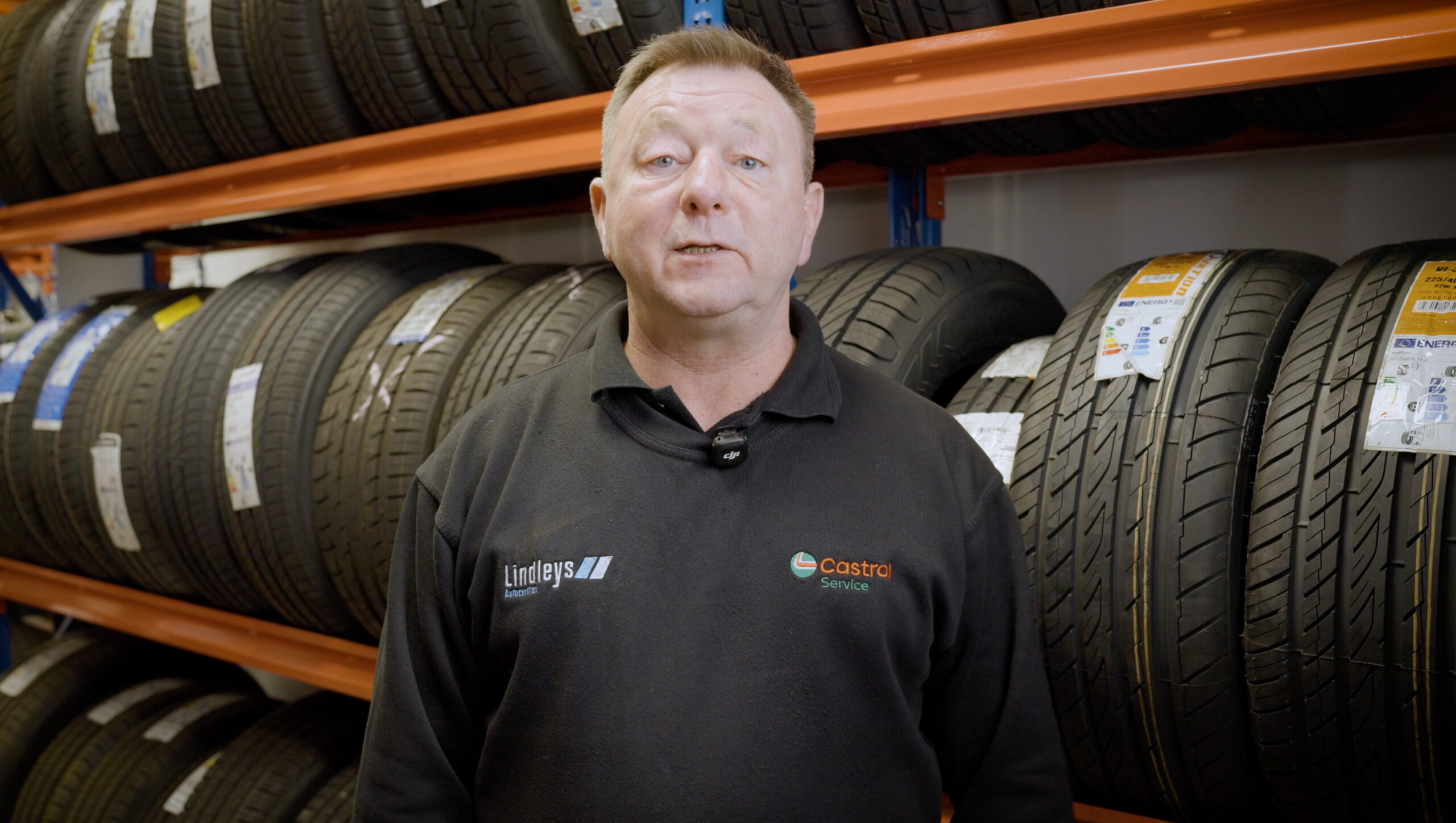
Paul Brown, General Manager of the Tyre Division at The Motor Ombudsman-accredited Lindleys Autocentres garage group, and spokesperson for the ‘WORN-WARN’ campaign said: “As motorists continue to face increasing financial pressures, it can be tempting to cut back on vital car maintenance, as the recent Motor Ombudsman study has found. However, spending money on tyres should never be compromised, and buying new at a reputable fitter should always be the first choice regardless of budget, meaning consumers are not taking a gamble when it comes to a tyre’s condition.”
Paul added: “The ‘WORN-WARN’ campaign also provides garages and workshops, like ourselves, with a brand-new suite of eye-catching assets and tools to help educate motorists on what to look out for when buying and maintaining tyres – a subject that should not be overlooked.”
Stuart Lovatt, Chair at TyreSafe – an organisation which has championed tyre safety for two decades, explained: “Tyres are the only point of contact between a vehicle and the road, but millions of part-worn tyres enter the market every year with an unknown history, hidden structural damage, or inadequate inspection by either sellers or vehicle owners. They may appear great value on the surface, but they can unfortunately compromise braking performance, increase the chance of blowouts, and put road users at risk of serious harm.”
Stuart added: “We are delighted to be backing this valuable campaign by The Motor Ombudsman, which works perfectly in tandem with our continued work in educating consumers about making informed and safe choices, understanding the risks that used tyres can bring, and ultimately urging them to think twice before cutting corners.”

“Spending money on tyres should never be compromised, and buying new at a reputable fitter should always be the first choice regardless of budget, meaning consumers are not taking a gamble when it comes to a tyre’s condition.”
Paul Brown
General Manager of the Tyre Division at Lindleys Autocentres
To access The Motor Ombudsman’s new suite of resources on tyres, visit TheMotorOmbudsman.org/Tyres.
Notes to editors
The research was conducted by Clariti among a sample of 2,007 UK adults, which was nationally representative based on age, gender and region. The data was collected between 24/04/26 – 28/04/26. Clariti is a member of the British Polling Council and abides by the MRS code of conduct and ESOMAR principles.