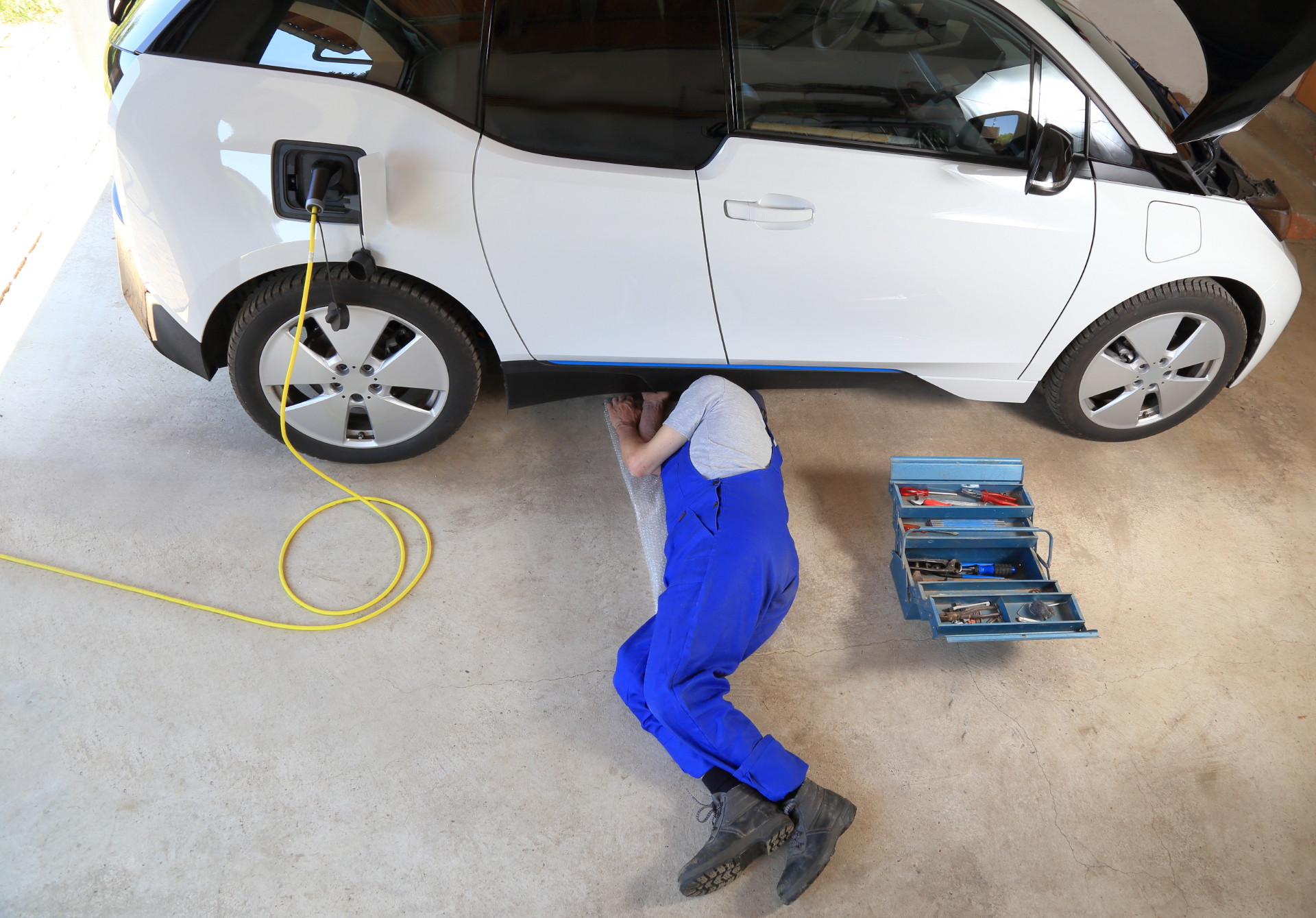

Electric cars have fewer moving parts than petrol or diesel cars, which means some familiar servicing requirements, such as engine oil changes, no longer apply. However, electric cars still need regular servicing to check components including the battery system, brakes, tyres and suspension.
The Motor Ombudsman provides information to help consumers understand what electric car servicing involves, how often an electric car may need attention, and the maintenance requirements that remain part of electric vehicle ownership.
What does an electric car service include?
An electric car service covers components found on most vehicles, such as the brakes, tyres and suspension, alongside systems specific to the electric powertrain. The precise checks depend on the manufacturer, model and service interval, but may include:
- The charging cable and charging port;
- The high-voltage and 12-volt (12V) batteries;
- High-voltage components, cables and connections;
- Brakes, including discs, pads and brake fluid;
- Tyres;
- Steering and suspension;
- Cooling systems where fitted;
- Windscreen wipers and screenwash; and
- Cabin filters and air-conditioning systems.
Diagnostic checks or software updates may also be carried out where required by the manufacturer.
How often do electric cars need servicing?
Electric cars should be maintained in line with the servicing intervals recommended by the vehicle manufacturer, as with petrol or diesel vehicles.
How often an electric car needs servicing can vary by make and model. The interval may be based on time, mileage or whichever limit is reached first, while some vehicles use an onboard service indicator to show when maintenance is due.
This means there is no single servicing interval for every electric car. Motorists should check the schedule specified for their particular vehicle, including any requirements that may apply under the terms of a manufacturer warranty.
Do electric cars need maintenance?
Although an electric vehicle (EV) has fewer mechanical components to maintain, it still needs routine maintenance between scheduled services – just like a petrol or diesel car, for example.
Tyre pressures and condition should be checked regularly, while windscreen washer fluid and wiper blades may need attention as they would on any other car. Brakes, steering and suspension also remain subject to wear.
Charging cables and connections should be kept in good condition, while battery and charging requirements can vary between manufacturers. The Motor Ombudsman’s Electric Vehicle Resource Hub provides further information for consumers about EV range, charging and maintaining an EV.
Electric car maintenance compared to petrol or diesel vehicles
Electric car maintenance differs from petrol or diesel vehicle maintenance because EVs have fewer components compared to cars with an internal combustion engine (ICE). This removes service items such as engine oil, spark plugs and timing belts from the maintenance schedule.
Other parts of the vehicle still require inspection. Tyres, brakes, steering and suspension can wear over time, while the high-voltage battery and electrical systems introduce their own servicing requirements.
Electric cars also need an MOT. In Great Britain, most vehicles require their first MOT by the third anniversary of registration and annually thereafter. The MOT checks that the vehicle meets road safety and environmental standards, although a fully electric car does not undergo a tailpipe emissions test.
Are brakes and tyres also checked during an electric vehicle service?
Brakes and tyres are normally checked during an electric vehicle service, as they remain important safety components.
Many electric cars use regenerative braking, where the electric motor helps to slow the vehicle and recover energy. This can reduce the use of the mechanical brakes, although brake discs, pads and fluid still require inspection and may need maintenance or replacement.
Tyres should also be checked for tread depth, pressure, damage and uneven wear. Regular tyre maintenance can help motorists identify problems before they worsen, while The Motor Ombudsman’s wider tyre safety information covers areas including tread depth, tyre pressure and tyre condition.
How long does an electric car service take?
The time needed to service an electric car depends on the make and model, the type of service being carried out, and whether any additional work is identified.
A routine service may take a few hours, although diagnostic investigations, software updates or repairs can mean the vehicle needs to remain in the workshop for longer. The business carrying out the service can explain what is included and provide an indication of the expected timescale when the vehicle is booked in.
An electric vehicle battery holds less charge over time. How much could it cost to replace?
Electric vehicle batteries can lose some usable capacity over time, although the rate depends on factors including the vehicle, battery chemistry, age and use. Battery condition is one of several factors that can affect electric vehicle ownership over the longer term.
Replacement costs also vary considerably according to the make and model, battery capacity and whether the entire battery pack or individual components need attention.
Statista reported that the global average price of a lithium-ion battery pack fell to $108 per kWh in 2025, from more than $118 per kWh in 2024. At September 2026 exchange rates, $108 is approximately £80 per kWh.
This figure reflects the global average cost of lithium-ion battery packs rather than the amount a UK motorist would necessarily pay for a replacement. The final cost can also include manufacturer pricing, labour, diagnostics and other work, while some battery problems may fall within the terms of the vehicle’s battery or manufacturer warranty.
Where can I get an electric car service?
Servicing an electric car can require specialist equipment and technicians trained to work safely with high-voltage systems. Motorists should therefore check that the repairer (such as an independent garage or franchise dealer workshop) they choose is equipped to work on their particular make and model.
The Motor Ombudsman’s Business Finder can be used to locate nearby vehicle repairers, such as garages, as well as other automotive businesses accredited to its Codes of Practice.