

A tyre’s age can be difficult to judge from its appearance, even when it still has plenty of tread. Its sidewall carries a whole host of information, which can be essential when checking the specification of tyres on your car or when it comes to changing them.
The Motor Ombudsman provides information to help consumers understand tyre markings and condition. Knowing where to find the DOT code can help you assess a tyre’s age alongside its wear and condition.
What is the DOT code on a tyre?
The DOT code is a sequence of letters and numbers following the “DOT” marking on a tyre’s sidewall. It is essentially a tyre’s ‘date of birth’, and shows the tyre’s production source and manufacturing date, amongst other information.
The Motor Ombudsman’s research into the rise of second-hand shopping in 2026 found that 69% of UK adults surveyed did not know what the DOT code was.
What does DOT stand for?
DOT stands for the US Department of Transportation. The marking indicates the manufacturer’s certification that the tyre meets applicable US federal safety standards. Although it originates in the US, motorists can also find it on tyres sold in the UK.
Where to find the DOT code on your tyre
Look around the sidewall for the letters “DOT”, followed by a sequence of characters. The complete code, including the date, may appear on only one side of the tyre, and could face inwards when fitted. A tyre fitter may be able to help locate it.
What do the different elements of a DOT code mean?
The Motor Ombudsman’s survey also found that 51% of respondents did not understand tyre sidewall markings. DOT formats have changed, so older and newer tyres may have different arrangements of characters.
The plant code: where the tyre was made
The opening characters identify the manufacturing plant. Older codes use two characters, while the newer format uses three. The transition deadline for existing two-character plant codes was 13th April 2025.
The tyre size code
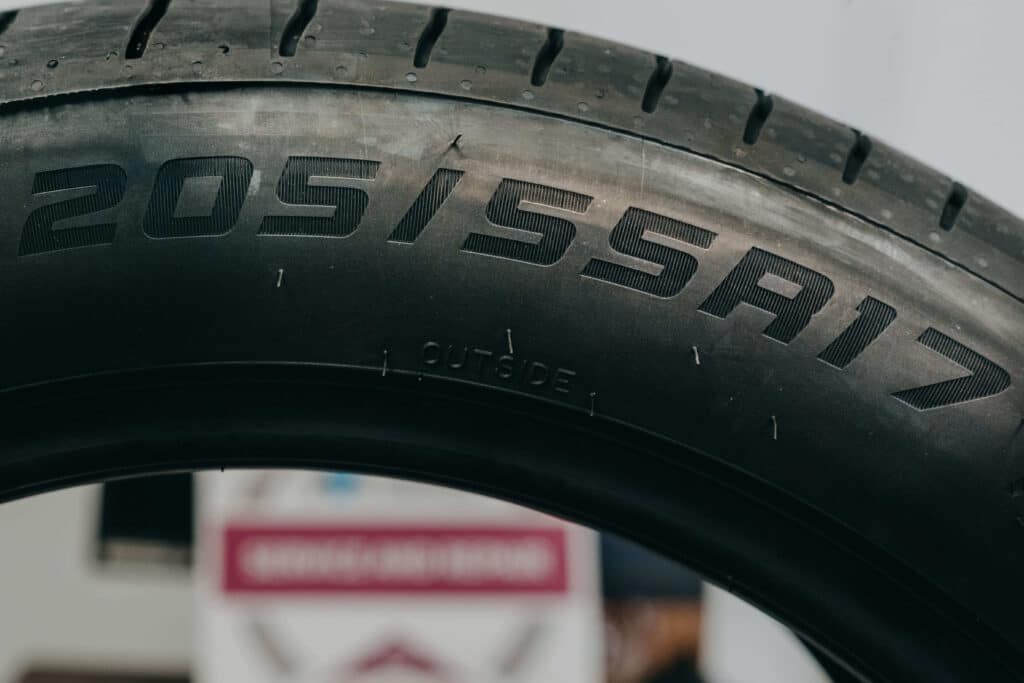
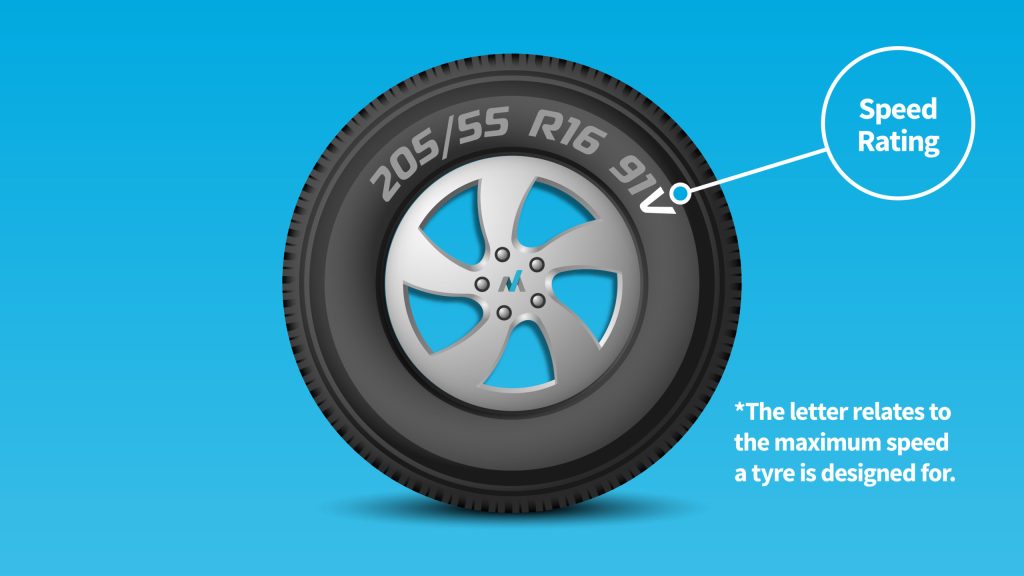
In the older format, the group after the plant code identifies tyre size using a manufacturer-assigned code. These codes vary between manufacturers. For the tyre’s dimensions, look for the separate size marking, such as 205/55 R16.
The manufacturer code
Older codes may include an additional group identifying tyre characteristics or the brand owner. Newer codes have a six-character manufacturer’s section between the plant and date codes.
Manufacturer identification can also come from the plant code: 1M6, formerly M6, identifies Goodyear’s Lawton plant, while 1B6, formerly B6, identifies a Michelin plant in Spartanburg (USA). Each refers to a particular factory within that manufacturer’s operations.
The last four digits: the tyre’s date of birth
For tyres manufactured since 2000, the final four digits show the production week and year. The first pair of numbers gives the week, and the second pair gives the year when the tyre was made, thereby allowing the age to be calculated – this is especially important when it comes to part-worn tyres.
How to find out how old your tyre is using the DOT code
To calculate your tyre’s approximate age, compare its manufacturing week and year with the current date. For example, a code ending in 1825 means the tyre was manufactured in week 18 of 2025.
Subtract the manufacturing year from the current year, then check whether the production week has passed. A tyre marked 1825 would be approximately one year old in week 18 of 2026. Before that week, it would be slightly under a year old; afterwards, it would be older.
A tyre’s age is measured from manufacture, which may be earlier than its purchase or fitting date. Even if it was fitted recently, it could have spent time in storage before being sold.
Check each tyre individually, including any spare, as they may have different manufacturing dates. If the date is missing from the visible sidewall or proves difficult to read, a tyre fitter can help locate and interpret the full code.
Why tyre age matters
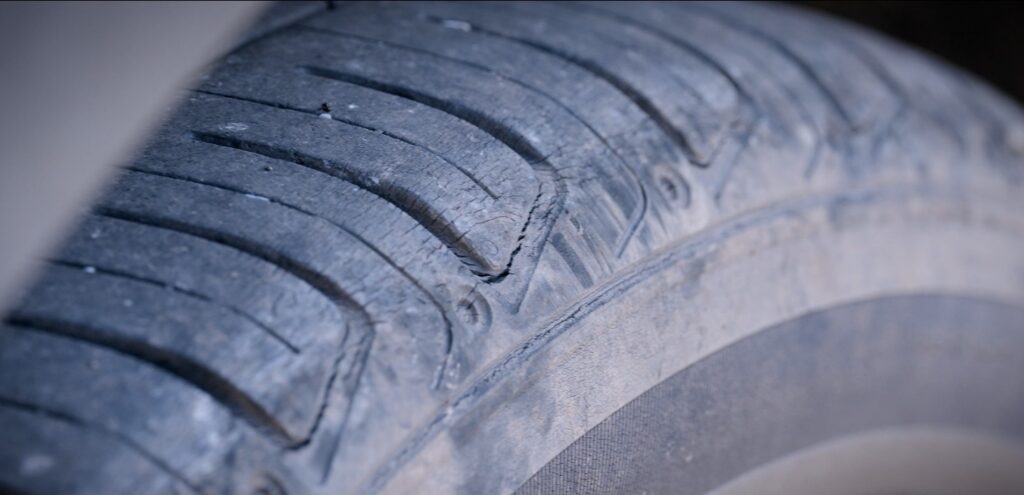
Rubber and other tyre components change over time, with storage, sunlight, heat and use influencing deterioration. A tyre on a low-mileage car, or that has sat stationary for long periods, can therefore need attention despite having a substantial level of tread remaining beyond the legal tyre tread minimum of 1.6mm.
Replacement recommendations vary, so check the tyre and vehicle manufacturer information on age limits and inspections. The spare tyre can also deteriorate while stored in the rear of a vehicle, should one be available.
The DOT code and part-worn tyres
Checking the date is particularly relevant if considering buying a used or ‘part-worn’ tyre, although it cannot reveal previous repairs, impacts or storage conditions.
The Motor Ombudsman’s research found that 43% of respondents were unaware of the “PART-WORN” labelling requirement. Tyres sold as part-worn must meet resale requirements covering their condition, testing and markings, including the words “PART-WORN” permanently and legibly displayed on the sidewall in uppercase letters at least 4mm high.
The Motor Ombudsman always recommends consumers buy new tyres rather than part-worn due to the potential hidden dangers.
What to do if you’re unsure about your tyre’s age or condition
Ask a qualified tyre fitter at a Motor Ombudsman-accredited vehicle repairer to check unclear markings, cracking, bulges, uneven wear or repeated pressure loss. They can assess the tyre and explain whether replacement is needed, taking its age and condition into account.
Find a reputable tyre fitter near you
The Motor Ombudsman’s Business Finder helps you locate accredited vehicle repairers, such as garages, as well as reputable tyre fitters in your local area and beyond.
Businesses signed up to its Service and Repair Code commit to fair service, transparent pricing and a straightforward in-house complaints procedure to help resolve any disputes should they arise.